In contemporary endodontics, precision at the root apex is non-negotiable. Whether you’re doing simple or complex root canals, the accuracy of working length determines everything from patient comfort to long-term success. A confident endodontic practice begins with an apex finder that delivers consistent and reliable readings. But many clinicians purchase quality devices only to find that the accessories they add compromise accuracy. This article will explore how the right supporting tools can truly enhance the performance of your apex locator, and why accessory selection deserves the same care as the selection of the device itself. Why Accessories Are More Important Than You Think Most practitioners focus on the specifications of the device itself, impedance technology, display clarity and multi-frequency capability but overlook the accessories that complete the circuit. In electronic root canal measurement, the signal passes through the file, lip hook electrode and the meas...
Modern Tools That Make Dentistry Easier (and Cleaner)
Dentistry has moved on a lot over the past ten or so years. Patients now want faster appointments, less mess and a better idea of what’s happening in their mouth. They don’t just want to sit back and hope for the best. For a dental practise, that means having tools that make the work cleaner, safer and easier to explain.
Two bits of kit that often get ignored (but really shouldn’t) are the dental dam and the intraoral scanner. And if you do any root canal work at all, a third tool deserves a place on the list — the apex locator. They aren’t flashy new toys. They’re the type of practical tools that quietly make every day less stressful.
The Dental Dam – tiny sheet, big impact

A dental dam is just a thin sheet of latex or non-latex material that sits over the mouth and leaves only the tooth or teeth you’re treating visible. Sounds simple, but honestly it changes everything.
- It keeps saliva out so your bonding and fillings actually stay put.
- It helps you see clearly without lips or tongue getting in the way.
- It stops the patient accidentally swallowing small instruments (something we’ve all worried about).
- And, surprisingly, it can make patients calmer — they know nothing’s going down their throat.
Some dentists used to avoid dams because they felt awkward to place or thought patients wouldn’t like them. But with a bit of practise, you can fit one in under a minute. Most patients just accept it and some even say they prefer not tasting bonding agents or water.
Everyday jobs where the dental dam helps
- Root canal work – absolutely essential for a dry field.
- Compositae fillings – stronger bond, fewer failures.
- Crown and bridge preps – keeps soft tissues safe and clear.
- Whitening – protects gums from bleach.
It’s such a small thing but saves a lot of hassle. Once you get into the habit, you probably won’t go back.
The Intraoral Scanner – goodbye messy impressions
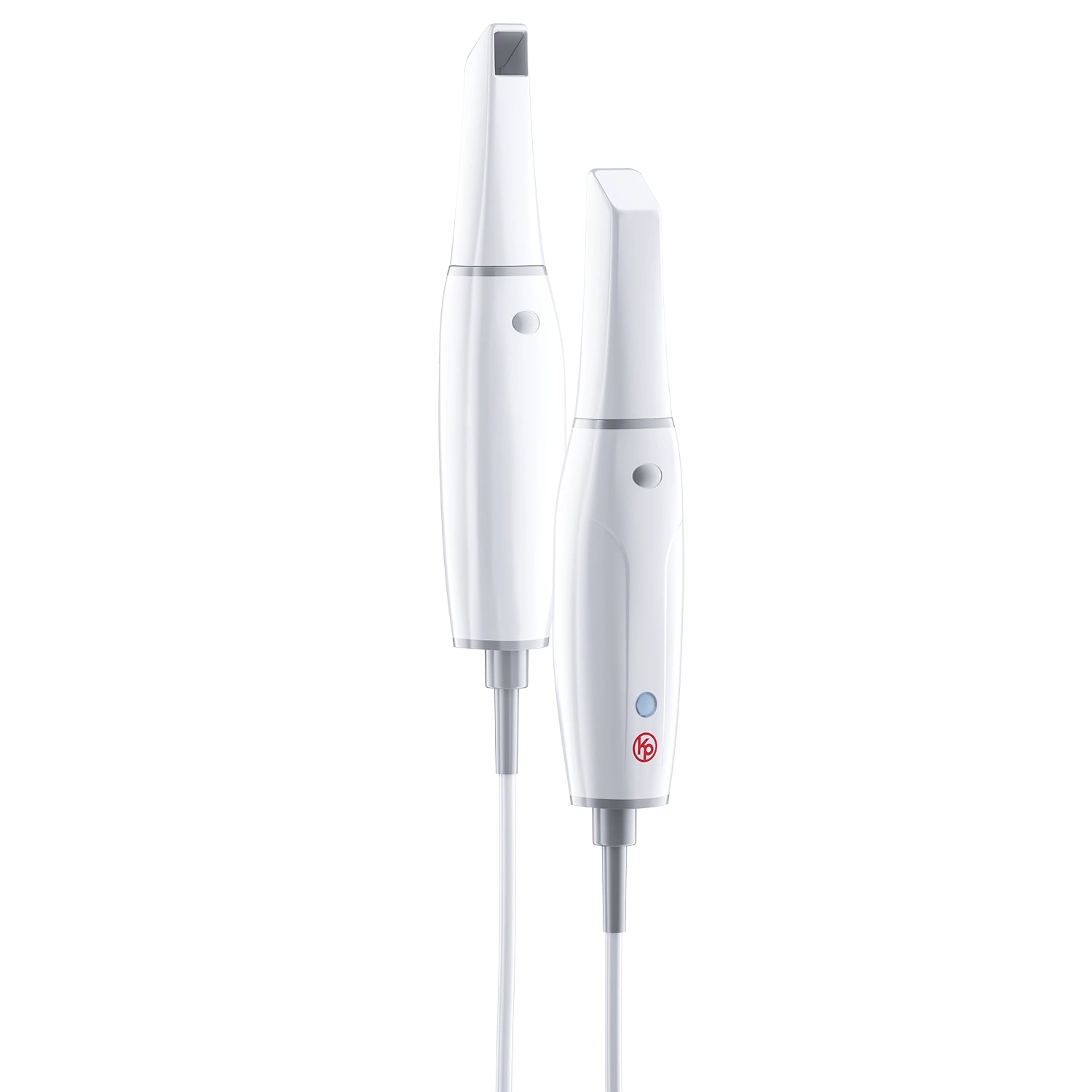
Remember the old trays full of gooey material, waiting to set while the patient gagged? Nobody misses that. The intraoral scanner has changed this part of dentistry for good.
An intraoral scanner is a small hand-held wand that builds a 3D digital model of the teeth and gums as you scan. No trays, no sticky material, no guessing if the impression worked.
- Accuracy is far better, so fewer remakes.
- Comfort — patients aren’t gagging or choking on alginate.
- Communication — you can spin the model around and show them exactly what’s wrong.
- Speed — scan, check, send to the lab if needed.
For many practises, getting a scanner was the moment impressions stopped being the worst part of the day.
Showing patients what’s going on
One of the most powerful things about a scanner is how it changes conversations. Instead of just explaining, you can show. If a tooth has a crack or a gum line is receding, it’s right there on the screen.
Patients who might have said, “I’ll think about it,” suddenly get it. They can literally see why a crown or filling is needed. People believe what they can see more than a description alone.
The Apex Locator – finding the end of the canal
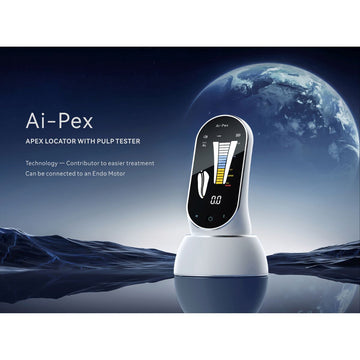
If you’ve ever done root canal treatment without an apex locator, you know how tricky it can be to judge the exact length of a canal. Radiographs help, but they aren’t always precise. The apex locator solves this problem by giving a live reading of where the file tip is inside the root.
- More accuracy: Helps avoid over-instrumentation or leaving the canal too short.
- Fewer X-rays: You don’t have to keep stopping to take another picture.
- Better results: Cleaner canals, better fills, happier patients.
- Saves time: You’re not second-guessing or taking extra steps.
For anyone doing endodontics, even occasionally, an apex locator is one of those small investments that changes how confident you feel while working. It also ties in nicely with using a dental dam — keep the field isolated and dry while you work, then use the locator to know exactly where you are.
How these tools work together
At first it seems like three separate gadgets, but they fit together more than you’d think.
- A dental dam keeps the area clean and dry, which improves both bonding and scanning.
- The intraoral scanner shows the patient the tooth before treatment, helping them understand why isolation is needed.
- The apex locator makes the root canal that follows more accurate and predictable.
Example: you’re treating a tooth that needs a root canal. You scan first to show the patient cracks or decay. You isolate with the dam, keeping things dry. Then you use the apex locator to find the true canal length without endless X-rays. The patient can follow the process and feels more comfortable because they’ve seen what’s happening.
Real life in the surgery
A Monday could look like this:
- First patient — a cracked tooth. You scan it, show the damage, explain the plan.
- Second — a root canal. Dam on, apex locator guides you to length, treatment goes smoothly.
- Afternoon — composites and small fillings; isolation with the dam makes bonding strong and clean.
Nothing fancy, just real dentistry made easier and less stressful.
Why these simple tools matter
Dentistry isn’t only about big tech or cosmetic upgrades. Most of our work is routine: fillings, canals, crowns, hygiene. Small changes that improve safety, accuracy and patient understanding add up quickly when you do them dozens of times a week.
- The dental dam keeps everything clean, dry and safe.
- The intraoral scanner replaces messy impressions and builds trust.
- The apex locator makes root canal treatment more predictable and less stressful.
They aren’t complicated, but they change how a practise runs day to day.
Final thoughts
Modern dentistry can feel high-tech, but it’s still built on practical tools that quietly do the hard work. A dental dam protects and isolates. An intraoral scanner helps explain and plan. An apex locator brings precision to endodontics.
If you want a surgery that runs smoothly, keeps patients informed and reduces surprises mid-appointment, these are worth having to hand. They won’t make headlines, but they will make everyday dentistry cleaner, faster and far less stressful — for you and the people in your chair.
Comments
Post a Comment
We will get back to you soon